Multi-Stage Type Approval

Manage your bodywork projects with confidence.

When more than one manufacturer contributes to a vehicle, technical compatibility, documentation and process responsibilities must be planned correctly. Anemon Engineering provides end-to-end support for multi-stage type-approval projects.

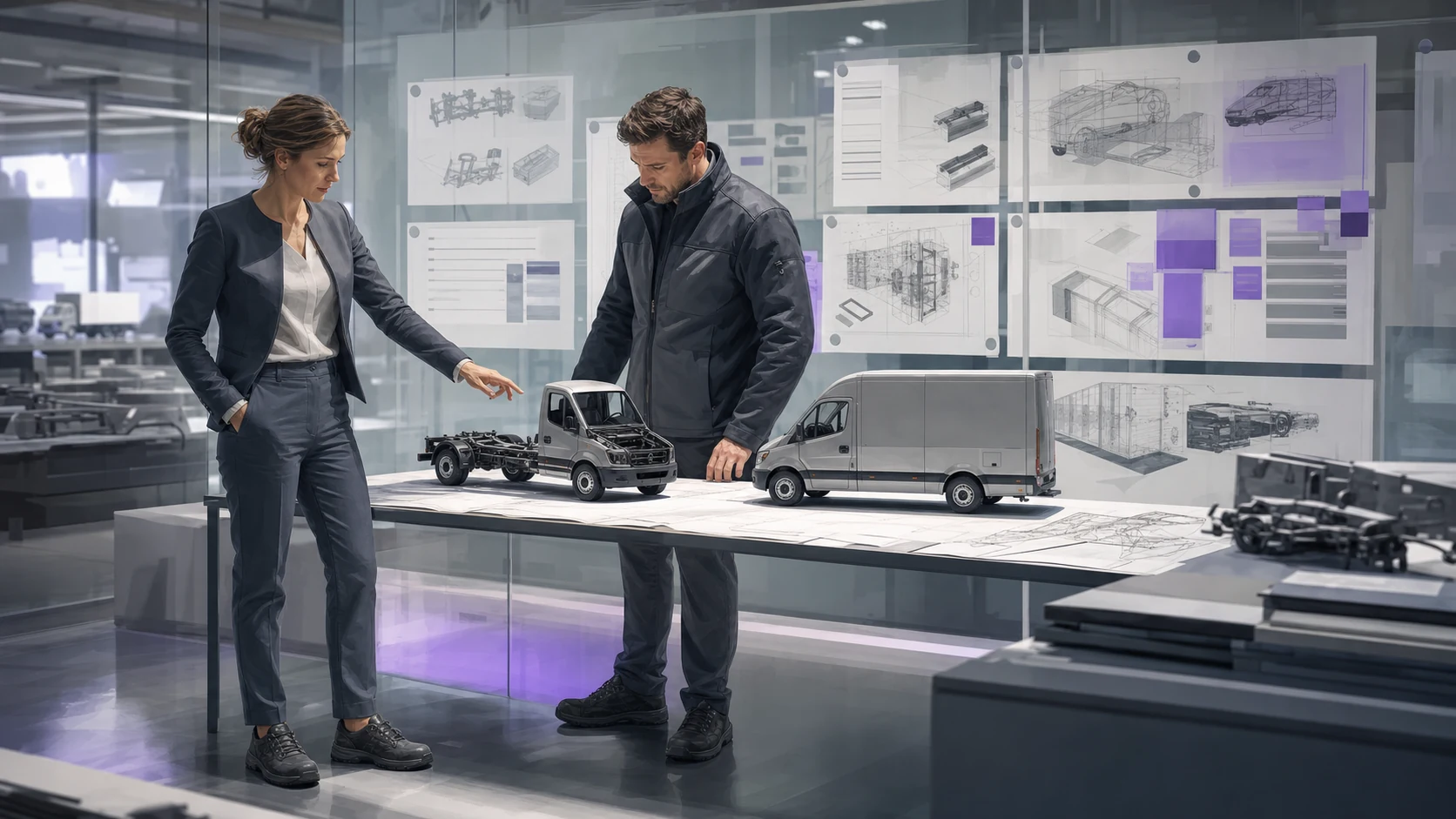
Modern bodywork and vehicle-integration environment for multi-stage type approval

An integrated approach to projects involving more than one manufacturer.

Multi-stage type approval applies when a vehicle is not completed by a single manufacturer and the base vehicle, bodywork, conversion or final completion is undertaken by different parties. The objective is not merely to assemble an application file, but to preserve technical integrity from the base vehicle through to the completed vehicle.

One manufacturer may supply the chassis or base vehicle, while another installs the body, interior, specialist equipment or conversion required for its intended use. Each stage can affect mass, dimensions, vehicle systems, category interpretation and technical responsibility. Technical consistency and continuity of documentation must therefore be managed together.

Anemon Engineering approaches the process from a practical engineering perspective: the manufacturer structure is analysed, technical risks are identified, an approval strategy is established and the completed-vehicle file is made fully traceable.

Each stage of manufacture may create new responsibilities.

Multiple Manufacturers

A multi-stage vehicle does not emerge from a single production line. The base-vehicle manufacturer, bodybuilder, converter and, where relevant, equipment suppliers all contribute to the final technical result. Responsibilities, manufacturing effects and documentation must therefore be clarified at the beginning. Anemon Engineering helps align every party around one clearly defined completed vehicle.

Technical Compatibility

Bodywork can affect the base vehicle’s load capacity, dimensions, electrical architecture, mounting points and intended use. These effects must be assessed not only for manufacturing quality, but also for technical consistency within the approval file. Without proper compatibility assessment, a seemingly complete vehicle may still require clarification, revision or reassessment.

Continuity of Documentation

Technical information originating with the base vehicle must remain traceable through to the completed-vehicle file. Drawings, calculations, mass data, equipment descriptions, manufacturer declarations and supporting records must form a continuous evidence chain. Successful multi-stage approval depends on preserving the technical history of every manufacturing stage.

Vehicle Changes

Bodywork, interior changes, seating, specialist or medical equipment, caravan layouts and mobile-service installations can alter the vehicle’s technical characteristics. Their effects differ: some may become critical to category, mass, dimensions, electrical systems or safety requirements. Changes should therefore be classified from an engineering perspective before production begins.

Project Management

Delays in multi-stage projects often arise not from technical deficiencies, but from late decisions and unmanaged document flow. The project plan should define who provides each item of information, when each document is prepared and which approval strategy applies. Anemon combines technical-file management with process coordination to create a more predictable working model.

Traceability

Because the completed vehicle is the result of several manufacturing stages, traceability is essential. It must be clear which base vehicle received which conversion, which equipment was installed, which document version applies and how production changes were controlled. Traceability supports not only the application file, but also long-term continuity after approval.


Experience across different bodywork projects.

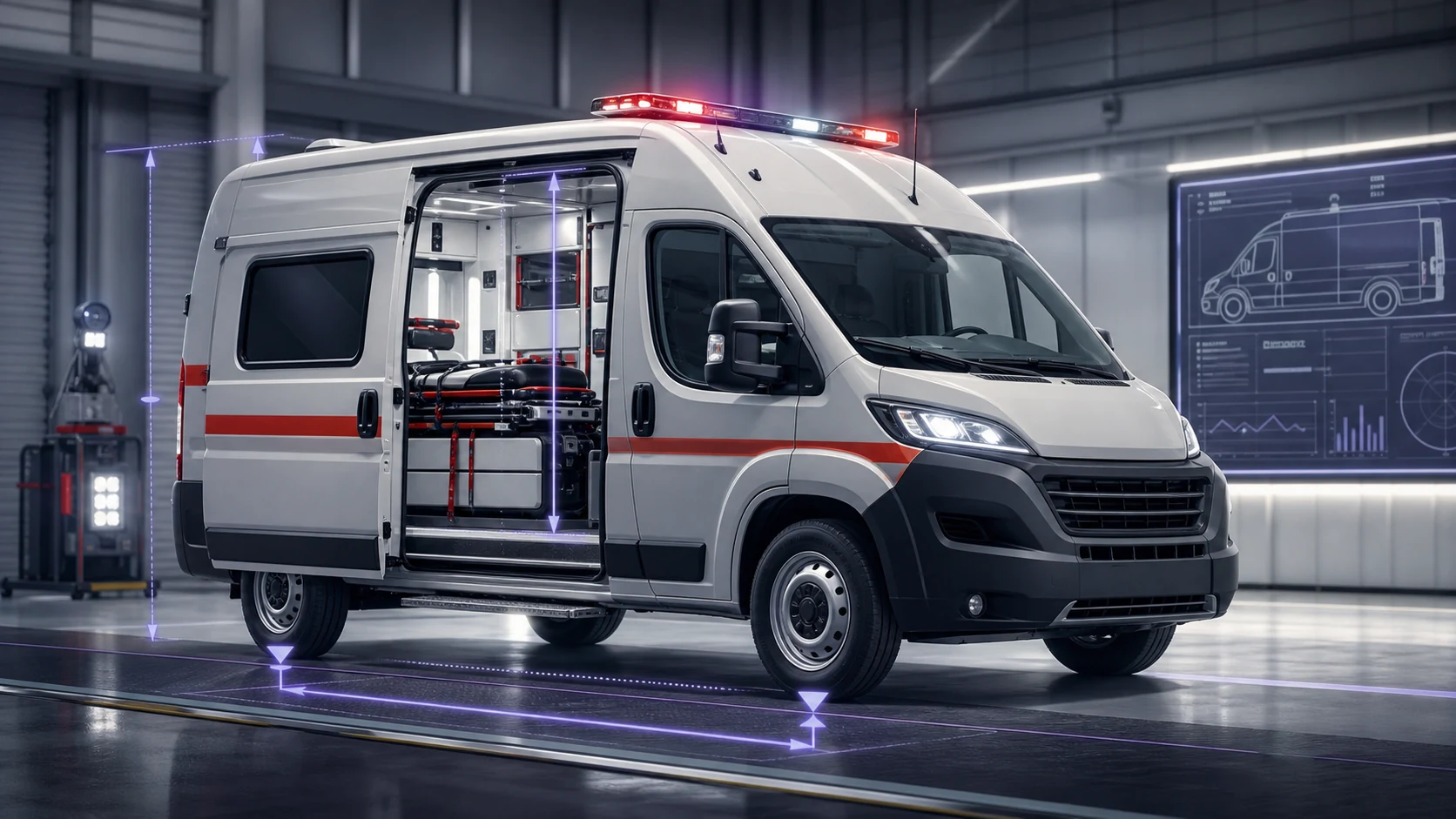
Medical-equipment, door-aperture, dimension and axle-load checks in an ambulance conversion

Ambulance Projects

An ambulance body is more than an interior equipment layout. Medical equipment, electrical systems, restraint details, working space, mass effects and requirements arising from the intended use must be considered together. Multi-stage approval preserves traceability from the base vehicle to the completed ambulance. Anemon Engineering manages technical documentation and manufacturer coordination as one integrated process.

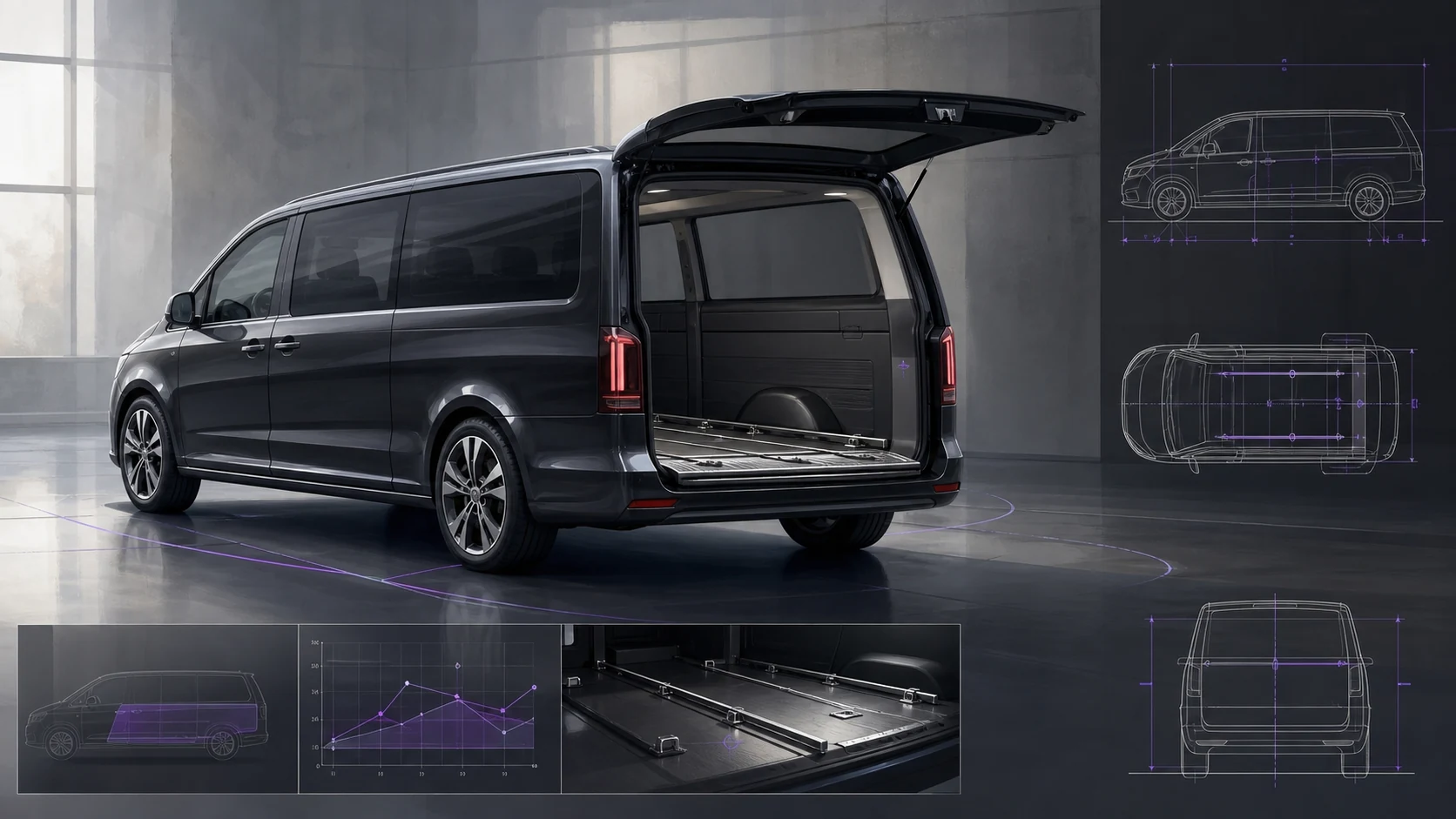
Technical inspection of loading space and anchorage rails in a funeral-vehicle conversion

Hearse Projects

Hearse projects require careful planning because of their dedicated interior layout, transport equipment, restraint arrangements and effects on the body. Technical compatibility with the base vehicle, mass distribution and manufacturing repeatability shape the application. A sound technical file defines the completed vehicle through engineering evidence, not appearance alone.

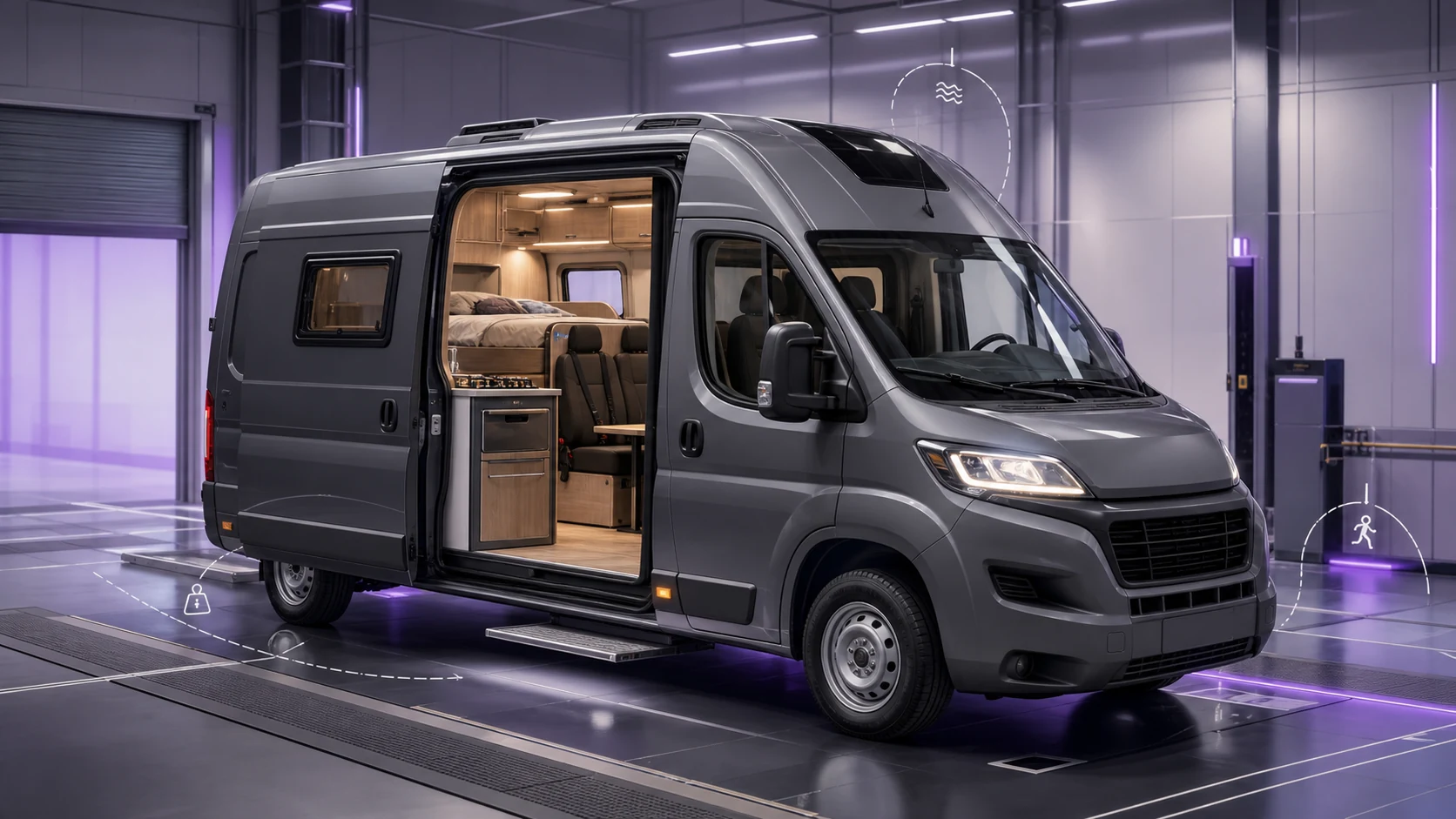
Interior layout, restraint, ventilation and mass distribution in a motor-caravan conversion

Caravan Projects

For motor caravan conversions, interior layout, furniture and equipment restraints, electrical and water systems, sleeping and seating arrangements, mass distribution and base-vehicle characteristics must be assessed together. A multi-stage approach aligns the converter’s changes with the completed vehicle’s technical identity. Anemon keeps manufacturing reality and the homologation file on the same path.

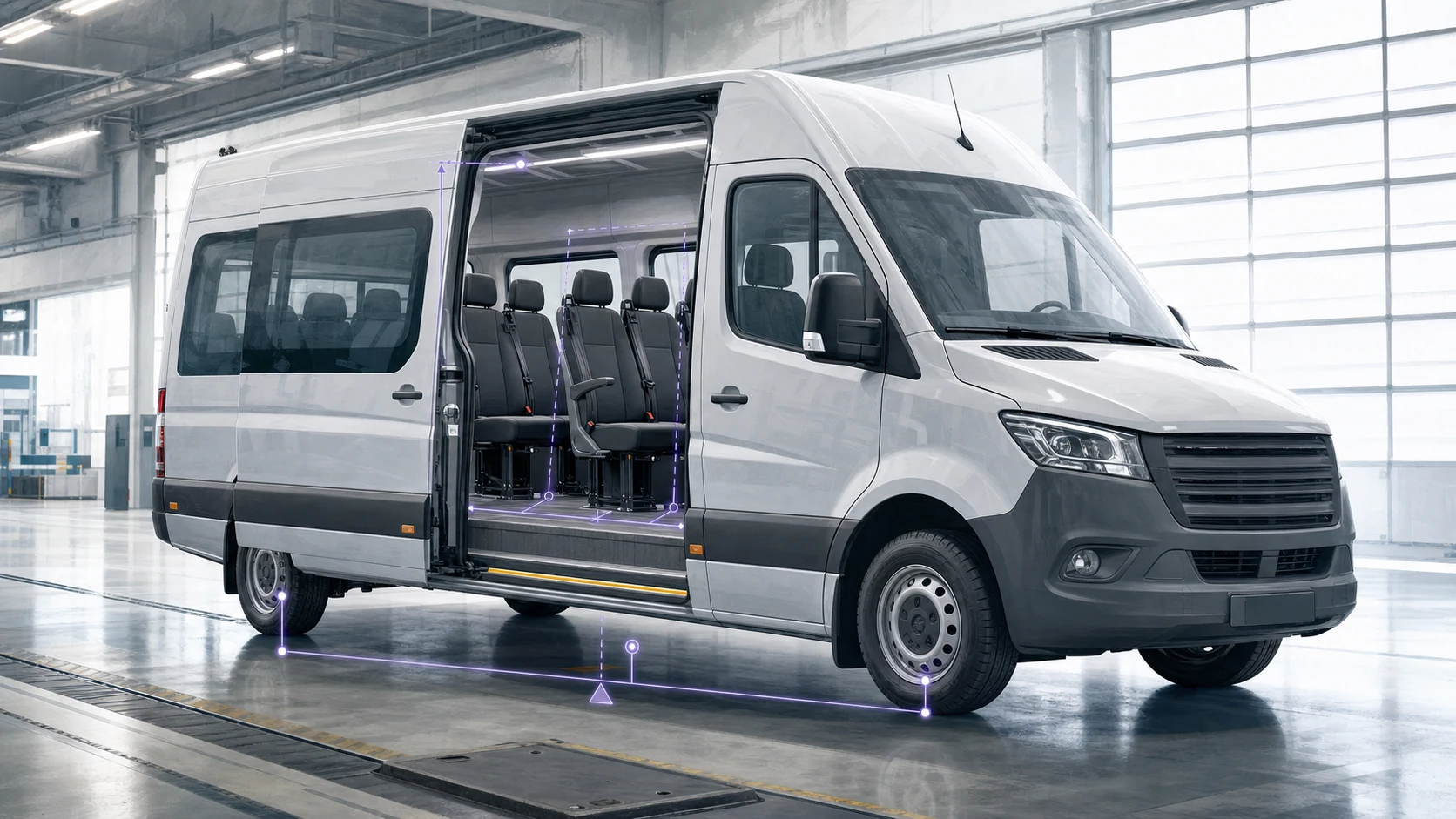
Passenger door, seat anchorage, aisle and mass distribution in an M2 minibus conversion

M2 Minibus Conversions

M2 conversions require coordinated assessment of seating arrangement, passenger capacity, interior layout, mounting details, mass effects and vehicle category. Physical conversion alone is not enough; it must be described correctly in the technical file and designed for repeatable manufacture. Manufacturer coordination and documentation continuity are especially important.

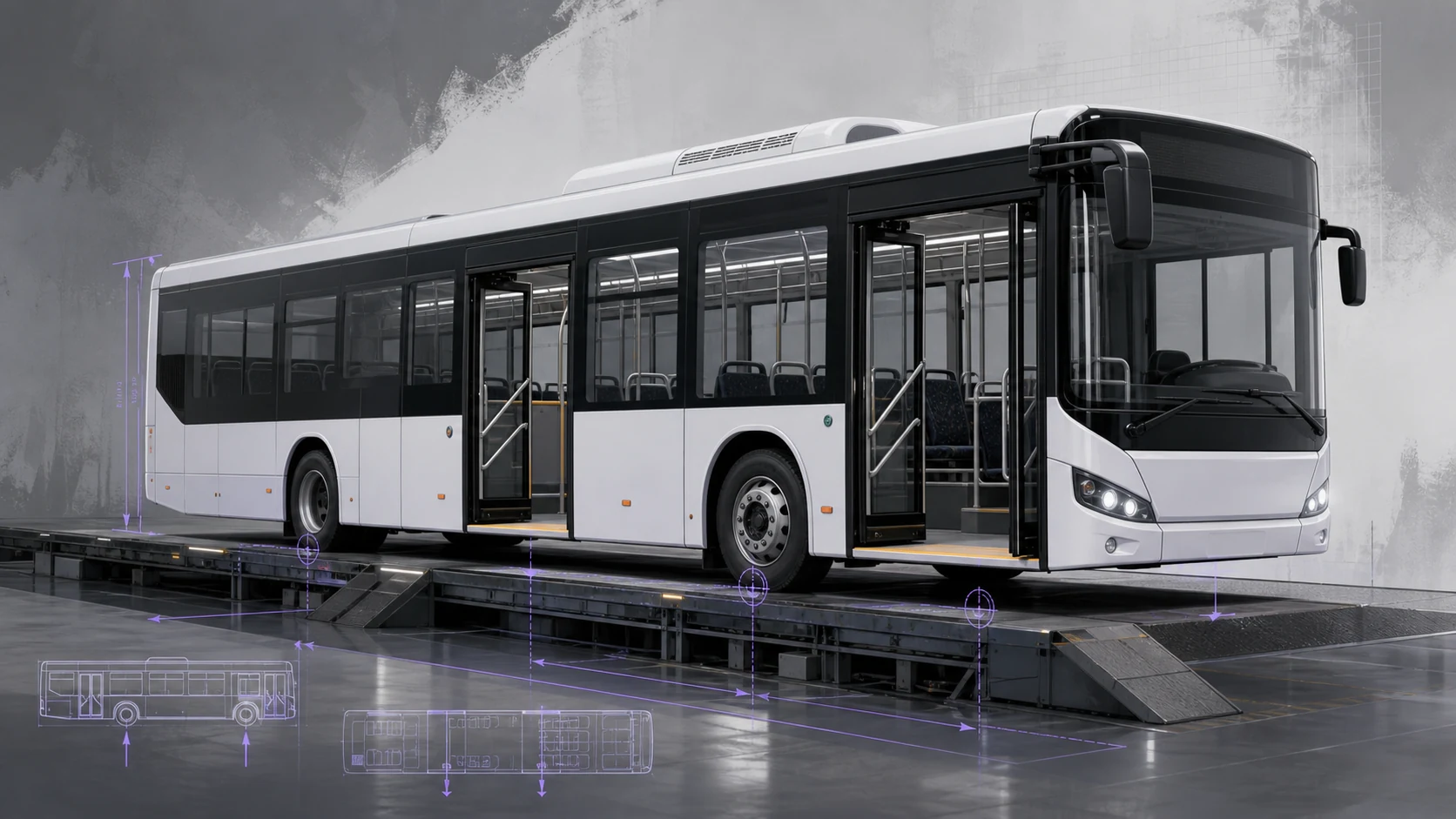
Door apertures, accessible area, seating and axle loads in an M3 bus project

M3 Bus Projects

For M3 buses, the effects of bodywork and final-stage manufacturing on passenger capacity, system integration, intended use and completed-vehicle characteristics require careful assessment. These projects often have a broad technical scope and many stakeholders. Multi-stage approval brings their contributions together in one coherent vehicle file.

Body mounting, centre-of-gravity and rear-overhang checks for a special-purpose vehicle

Special-Purpose Vehicles

A conventional series-production model is not always suitable for special-purpose vehicles. Mobile offices, service vehicles, laboratories, maintenance vehicles and operational support units combine equipment, bodywork, electrical systems and mission requirements. Early technical definition determines the approval strategy and documentation required.

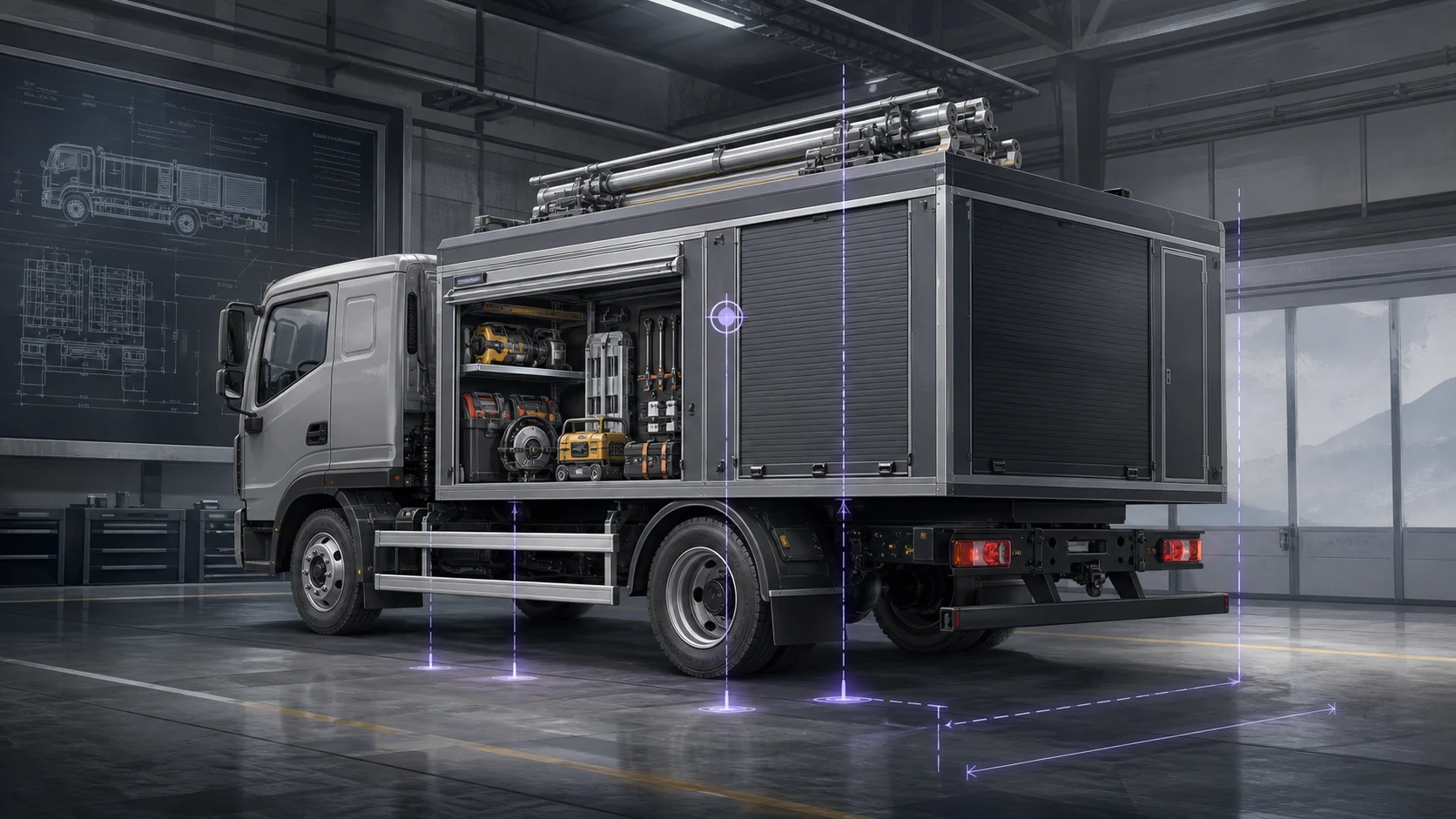
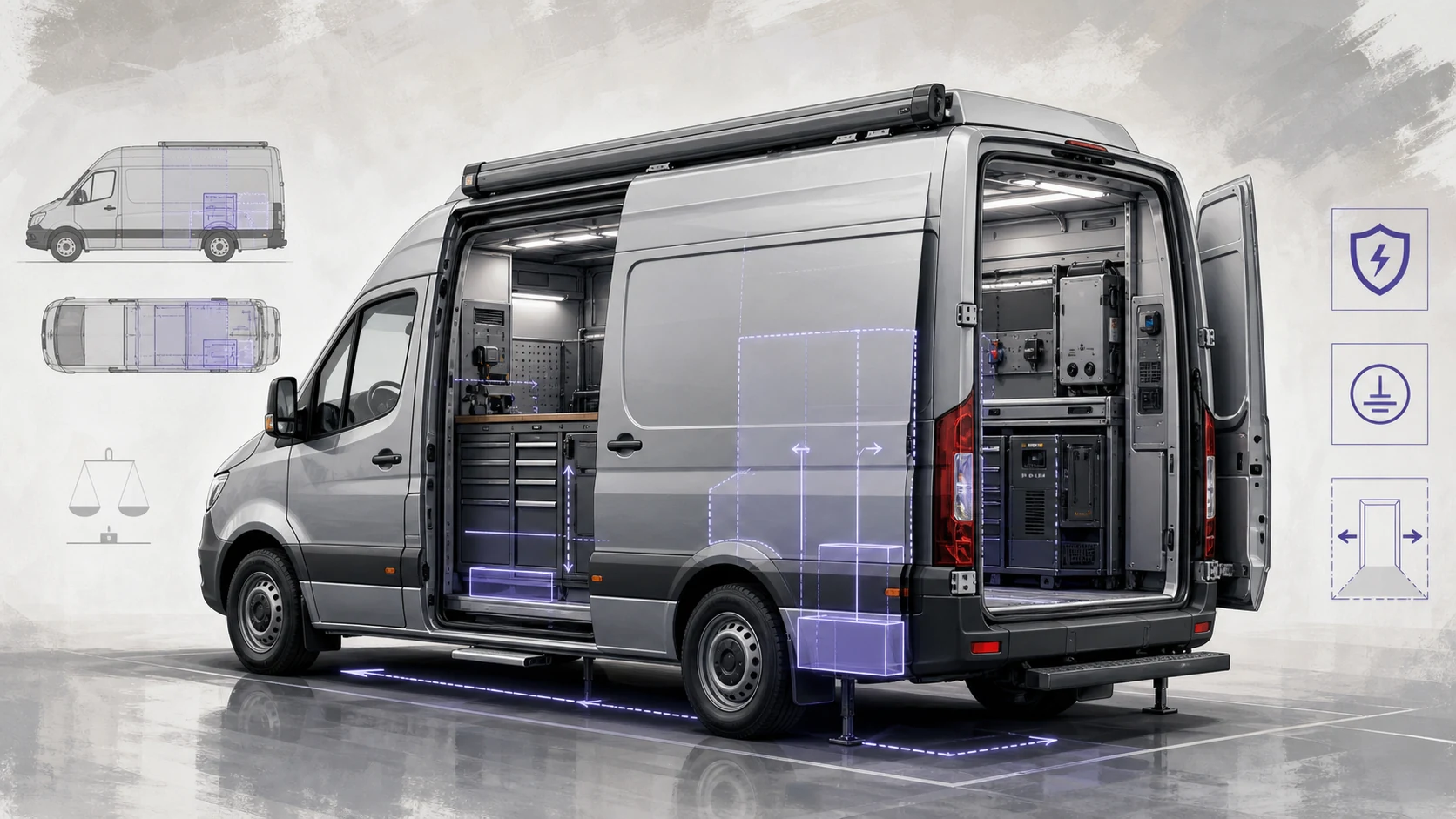
Equipment restraint, power system, safe aisle and mass distribution in a mobile service vehicle

Mobile Service Vehicles

Mobile service vehicles combine workspace, equipment layout, energy demand and user-safety requirements in one vehicle. The vehicle must be practical in the field, but also technically defined and traceable. Anemon focuses on clarifying the relationship between equipment scope and type-approval requirements.

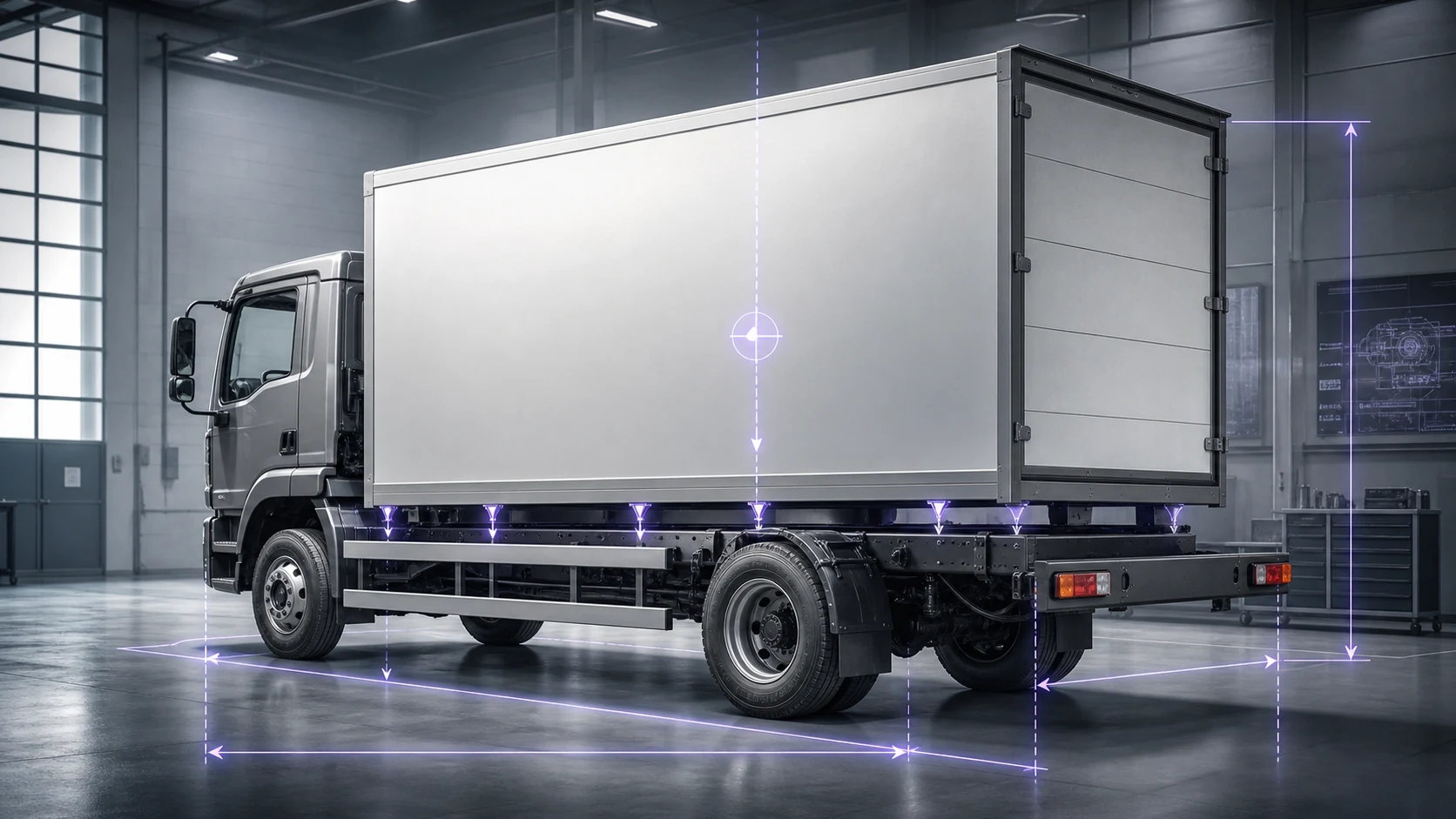
Subframe mounting, cab clearance and rear-overhang checks in a special body project

Specialist Bodywork Projects

Specialist bodywork requires integrated assessment of the base vehicle, mounting method, structural effects, equipment loads, dimensions and intended use. Technical risk varies between applications; some are more critical to vehicle class, mass distribution or system integration. Asking the right questions at project launch reduces later revisions.

Solutions for different manufacturer profiles.

Bodybuilders

For bodybuilders, multi-stage approval requires their manufacturing scope to remain within the technical limits of the base vehicle. If the relationship between chassis, body, equipment, mass and intended use is not understood correctly, file integrity can weaken. Anemon helps clarify technical documentation, manufacturer responsibility and application strategy.

Vehicle Converters

Converters make many decisions that affect the completed vehicle’s technical identity. Seating, equipment installation, interior layout, electrical systems and structural changes may all fall within the approval scope. Establishing the technical roadmap before conversion reduces unnecessary revisions and gives the manufacturer greater control.

Caravan Manufacturers

Caravan manufacturers must consider interior layout, equipment restraints, installations, mass distribution and base-vehicle characteristics together. The multi-stage approach makes the completed caravan technically explainable and traceable, not merely finished. Anemon links the production configuration with the type-approval file.

Ambulance Manufacturers

Ambulance manufacturers must manage medical equipment, interior fittings, electrical systems and requirements arising from the vehicle’s special use as one whole. Delays often result from recognising equipment effects or documentation needs too late. Early technical analysis makes projects more predictable.

Hearse Manufacturers

Hearse manufacturers must plan transport equipment, restraints, interior volume and technical compatibility with the base vehicle carefully. Multi-stage approval demonstrates that the vehicle has been completed for its intended use and that each manufacturing stage remains traceable. Continuity of the technical file is critical.

Special-Purpose Vehicle Manufacturers

Special-purpose vehicle manufacturers often work with mission profiles outside conventional vehicle production. In mobile service, operational, maintenance, healthcare or field-support vehicles, every item of equipment can affect the technical architecture. Anemon assesses the use case, technical risks, application scope and post-approval support together.

Frequent issues that make projects more difficult.

Incomplete Technical Information

If base-vehicle data, bodywork scope, equipment effects or manufacturer responsibilities are unclear at project launch, the technical file starts from a weak foundation. Missing information leads to additional clarification and production delays. Collecting the correct data early is one of the most important preparatory steps.

Breaks in Documentation Continuity

If technical information from one manufacturing stage is not transferred to the next, the evidence chain becomes fragmented. Drawings, calculations, equipment data and supporting records must connect the base vehicle to the completed vehicle. Without continuity, the process becomes a retrospective document-collection exercise.

Poor Management of Vehicle Changes

Changes do not all carry the same level of risk, but incorrect classification can affect the approval strategy, technical file and production plan. Body mounting, interior work, electrical systems, mass effects and category interpretation should be assessed from the outset. Late discovery increases the need for revision.

Starting Too Late

Addressing multi-stage approval only after production is complete can expose decisions that are difficult to reverse. Base-vehicle selection, body mounting, equipment layout and documentation needs should be reviewed before manufacture. Late starts create time pressure and force manufacturers to manage production and revision simultaneously.

Revision Requirements

Misalignment between the technical file and the manufactured vehicle may require reassessment. Revisions can affect drawings, calculations, documents, equipment or the physical application. They extend the schedule and can also affect production costs and customer delivery. Early technical review is the most effective way to reduce this risk.

Manufacturer Coordination

In projects involving several manufacturers, communication directly affects technical decisions. The base-vehicle manufacturer, bodybuilder, equipment supplier and applicant must work to the same technical scope. Weak coordination can lead each party to interpret the same vehicle differently and undermine file integrity.

The work behind every successful project.

In multi-stage projects, technical documentation is the structure that connects each manufacturing stage. Base-vehicle data, bodywork drawings, equipment details, calculations, manufacturer declarations and supporting records must remain traceable within one file logic. Otherwise, demonstrating the technical consistency of the completed vehicle becomes difficult.

Anemon Engineering treats the technical file not as an application attachment, but as the engineering memory of the project. This makes it possible to manage production decisions, application explanations and post-approval changes within the same technical framework.

Base vehicle, body drawings, calculations and revision management in multistage type approval

The technical file carries continuity across the project.

  • Establishing the technical relationship between the base and completed vehicle
  • Traceable management of drawings, calculations and supporting documents
  • Documenting manufacturer responsibilities and stages of manufacture
  • Explaining vehicle changes consistently within the technical file
  • Preparing for post-certification variants and change management

A strong technical file does more than accelerate assessment; it also helps manufacturers control changes and new variants after approval. Every record that prevents information loss in multi-stage manufacturing improves the project’s long-term reliability.

Process management from project launch to completion.

01

Preliminary Project Assessment

The base vehicle, bodywork objective, intended use, manufacturer structure and expected completed-vehicle configuration are reviewed before application. This reveals the project’s technical risks and the most suitable approval approach.

02

Manufacturer-Structure Analysis

The roles, responsibilities and technical contributions of participating manufacturers are analysed. Information flow between the base-vehicle manufacturer, bodybuilder and final-stage manufacturer is clarified to establish continuity of documentation.

03

Type-Approval Strategy

Vehicle category, target market, manufacturing stages and the effects of technical changes are assessed together to create a practical approval strategy. The project is structured around the technical reality of the completed vehicle, not the certificate alone.

04

Technical-Document Management

Drawings, calculations, equipment data, manufacturer declarations, technical explanations and supporting evidence are organised in a traceable file. As the project progresses, ownership and stage of every item remain clear.

05

Application Preparation

The application scope, file structure, required document flow and priority decisions are planned. Preparation is not simply document administration; it establishes a coherent technical narrative for the project.

06

Process Coordination

Technical communication between the manufacturer, bodybuilder, suppliers and assessment parties is monitored. Questions, explanations and revisions are managed through one project plan.

07

Technical Follow-Up

Technical questions, document updates and implementation explanations arising during assessment are addressed from an engineering perspective. The aim is to keep the project technically defensible without unnecessary changes of direction.

08

Post-Certification Support

After approval, new variants, production changes, additional base vehicles and further bodywork applications may arise. Anemon continues to support continuity of the technical file and approval process.

Structuring the process step by step.

01Initial Assessment

The vehicle type, base-vehicle data, bodywork objective, intended use and manufacturer structure are analysed. This makes the technical scope and potential risks visible at an early stage.

02Technical Analysis

Vehicle category, bodywork effects, changes in mass and dimensions, equipment layout, system integration and completed-vehicle characteristics are assessed together. This analysis provides the engineering basis for the application strategy.

03Documentation Planning

Required drawings, calculations, manufacturer information, equipment records and supporting documents are identified. The plan prevents information gaps between manufacturing stages.

04Manufacturer Coordination

The technical flow of information between the base-vehicle manufacturer, bodybuilder, equipment suppliers and project stakeholders is managed. Once responsibilities are clear, file integrity and process follow-up become more controlled.

05Application Management

The application file, technical explanations, document revisions and authority communications are managed systematically. The objective is to present the completed vehicle accurately and traceably.

06Completion

Technical questions and revisions arising during assessment, together with post-approval file continuity, are followed through. Support can continue for production changes and new variants after certification.

Every bodywork project has its own requirements.

Experience in multi-stage projects means more than having submitted similar applications. An M2 minibus conversion and an M3 bus project, a caravan body and an ambulance, or a mobile service vehicle and a hearse raise different technical questions. Vehicle category, manufacturing stage, equipment effects and intended use change the project’s risk profile.

Anemon Engineering brings experience from different bodywork and conversion projects to the key technical decisions. Manufacturers can therefore consider not only the current application, but also later variants and continuity of production.

What you need to know about multi-stage type approval.

For bodywork, vehicle conversion and special-purpose projects, the manufacturing structure and technical file must be assessed together.

Multi-stage type approval is the approach used when a vehicle progresses from a base or incomplete vehicle to a completed vehicle through the technical contribution of more than one manufacturer. It manages the manufacturing stages, documentation and conformity process as one system.

It may apply to bodywork, vehicle conversions, ambulances, hearses, motor caravans, M2 minibus conversions, M3 buses, mobile service vehicles and other special-purpose projects.

Bodybuilders need to manage compatibility with the base vehicle, manufacturer responsibilities, continuity of the technical file and the application strategy correctly.

Yes. The base vehicle, interior layout, equipment restraints, mass distribution, auxiliary systems and completed-vehicle characteristics can be assessed together.

Medical equipment, electrical systems, restraint solutions, interior layout, mass effects and use-specific requirements are analysed at project launch and incorporated into the technical-file structure.

Yes. For M2 minibus conversions, seating layout, passenger capacity, interior configuration, vehicle category and application documentation can be assessed together.

M3 bus projects require a broader technical assessment of passenger capacity, system integration, bodywork effects, intended use and completed-vehicle characteristics.

Documentation is the technical evidence of each manufacturing stage. Without drawings, calculations, equipment data, manufacturer declarations and supporting records, it is difficult to demonstrate the consistency of the completed vehicle.

Each manufacturer’s technical contribution and responsibility are analysed. When information flow and document continuity are established correctly, the stages become traceable within one completed-vehicle file.

The technical file brings together changes from the base to the completed vehicle, installed equipment, calculations and technical explanations. A weak file creates revision and clarification requirements.

Planning should begin before production. Early preparation enables correct decisions on the base vehicle, bodywork scope, technical risks and required evidence.

Anemon Engineering provides preliminary assessment, manufacturer-structure analysis, type-approval strategy, technical-document management, application preparation, process coordination, technical follow-up and post-certification support.

A dependable technical partner for complex manufacturing projects.

Success in multi-stage type approval depends not only on technical knowledge, but also on understanding the manufacturer structure and managing the process with discipline. Anemon Engineering combines engineering and project management for bodybuilders, vehicle converters, caravan, ambulance and hearse manufacturers, bus and minibus projects, and special-purpose vehicle producers.

Our approach goes beyond completing an application. Understanding the technical relationship between manufacturing stages, maintaining documentation continuity, making changes traceable and continuing post-certification support all strengthen the manufacturer’s long-term technical reliability.

Let us assess your bodywork project.

Together, we can define the technical support and roadmap required for your multi-stage type-approval process.