Electric bus conversion has become an important part of Türkiye’s transition towards lower-emission transport. The process combines the replacement or adaptation of the propulsion system with the engineering and approval work required for the converted vehicle. This article examines electric bus conversions, the associated type-approval process and their wider relevance to sustainable transport in Türkiye.
Electric Bus Conversion
Electric bus conversions are intended to reduce dependence on fossil fuels and the associated environmental impact. They may also provide operational benefits through improved energy efficiency and lower running costs. Electric buses therefore form an important part of the transition towards more sustainable transport. Type approval is one of the essential regulatory stages within the technical conversion process.
Electric Bus Type-Approval Process
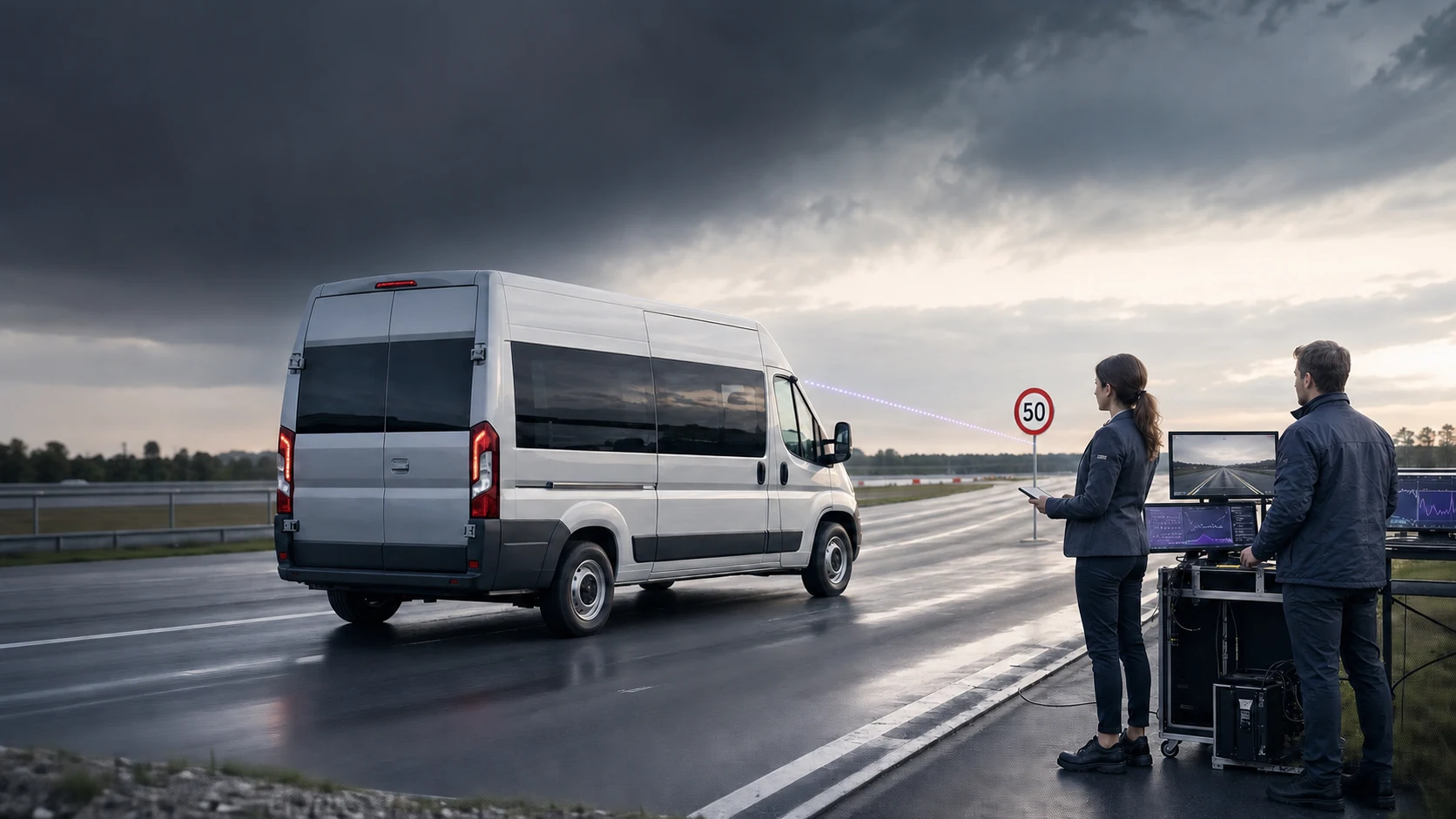
The type-approval process verifies whether an electrically converted public-service vehicle complies with the applicable technical and regulatory requirements for safe operation. The Turkish Standards Institution (TSE) plays a key role in this process. Following our engineering work, the reports issued for tests conducted by accredited technical services are submitted together with the project documentation so that the TSE approval procedure can be completed.
Electric vehicle type approval, electric vehicle engineering project, TSE electric vehicle project, electric vehicle certificationTSE and Electric Buses
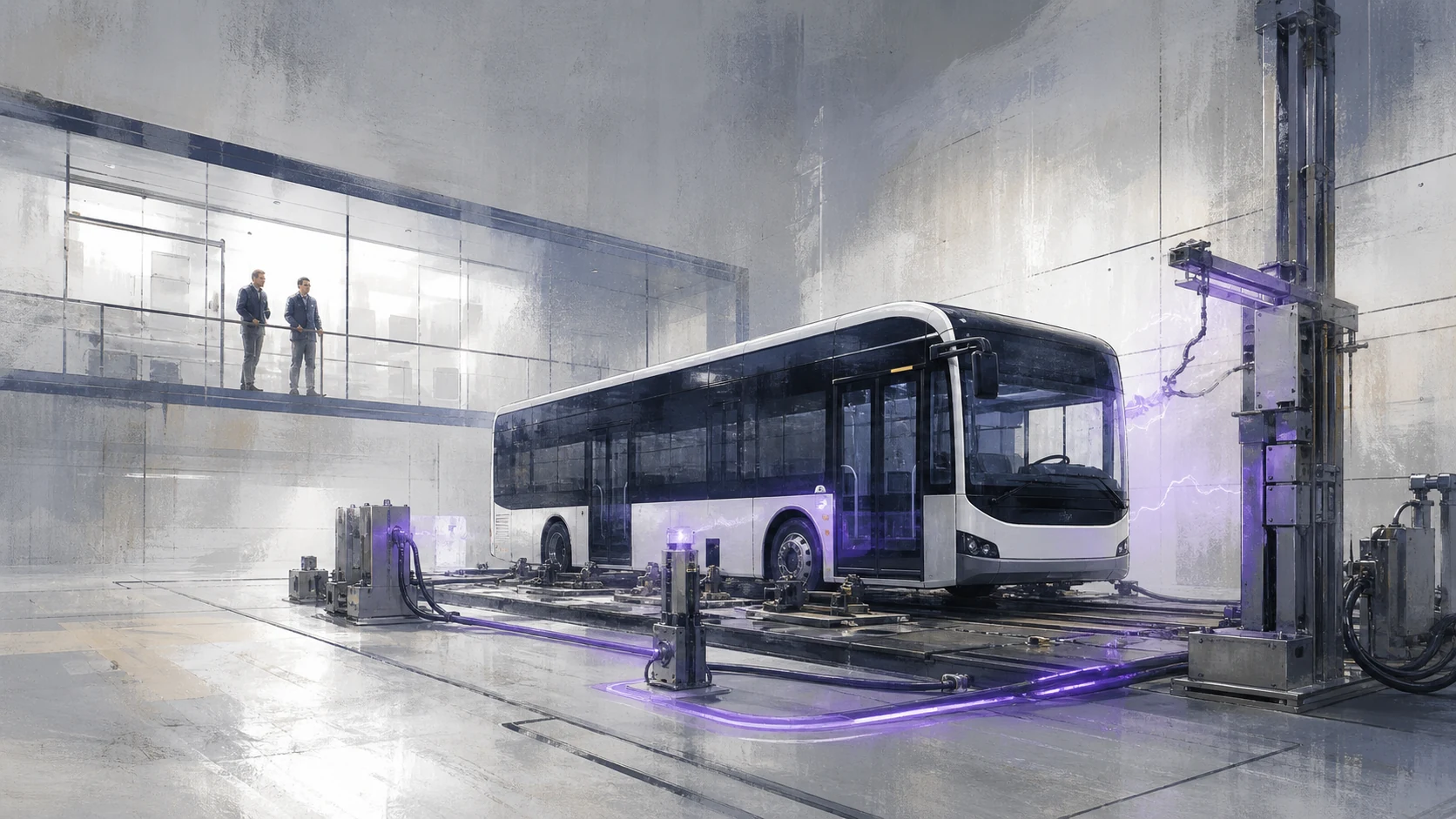
TSE’s role in electric bus conversion projects spans the application of relevant standards, the coordination and assessment of vehicle tests and the issue of the applicable approval documents. These activities are intended to demonstrate the safety and performance of converted electric passenger vehicles.
Series-Conversion Type Approval
Electric bus type-approval procedures are linked to the AİTM series-conversion type-approval process. Series-conversion type approval is one of the principal stages in an electric bus conversion programme. It verifies that the converted buses comply with the applicable standards and safety requirements.
The examinations performed by TSE provide formal assurance regarding the quality and safety of the conversion, supporting confidence among operators, authorities and prospective users.
Why Sustainable Transport Matters
The importance of lower-emission transport continues to grow. As one of the foundations of a more sustainable future, it can help reduce carbon emissions, improve air quality and increase energy efficiency.
Reducing Carbon Emissions
Transport systems based on fossil fuels account for a significant share of global carbon emissions. Solutions such as electric buses can reduce tailpipe emissions and, depending on the energy source and operating conditions, contribute to broader climate objectives.
Improving Air Quality
Urban air pollution can have serious effects on public health. Wider use of electric and hybrid vehicles can reduce local exhaust emissions, helping improve air quality and limit health risks associated with polluted urban environments.
Increasing Energy Efficiency
Electric buses and other low-emission vehicles can use energy more efficiently than conventional combustion-engine vehicles. Greater efficiency supports more effective use of energy resources and can reduce operating energy costs.
Supporting More Sustainable Cities
Lower-emission public transport is an important element of sustainable urban development. Expanding electric bus fleets and well-planned public transport can reduce reliance on private vehicles, ease congestion and improve the quality of urban life.
Economic Benefits
Over the long term, sustainable transport solutions may provide economic benefits through lower energy use, maintenance requirements and operating costs. Such projects can also support the development of green technologies and related employment.
Raising Public Awareness
Adopting sustainable transport can also strengthen environmental awareness. It encourages individuals and organisations to recognise their environmental responsibilities and supports the transition towards more sustainable patterns of mobility.
Projects such as converting buses to electric propulsion can help realise these environmental and operational benefits. Drawing on its technical expertise and sector experience, Anemon Engineering continues to develop projects that support sustainable transport and innovation in this field.
Experience and Technical Expertise
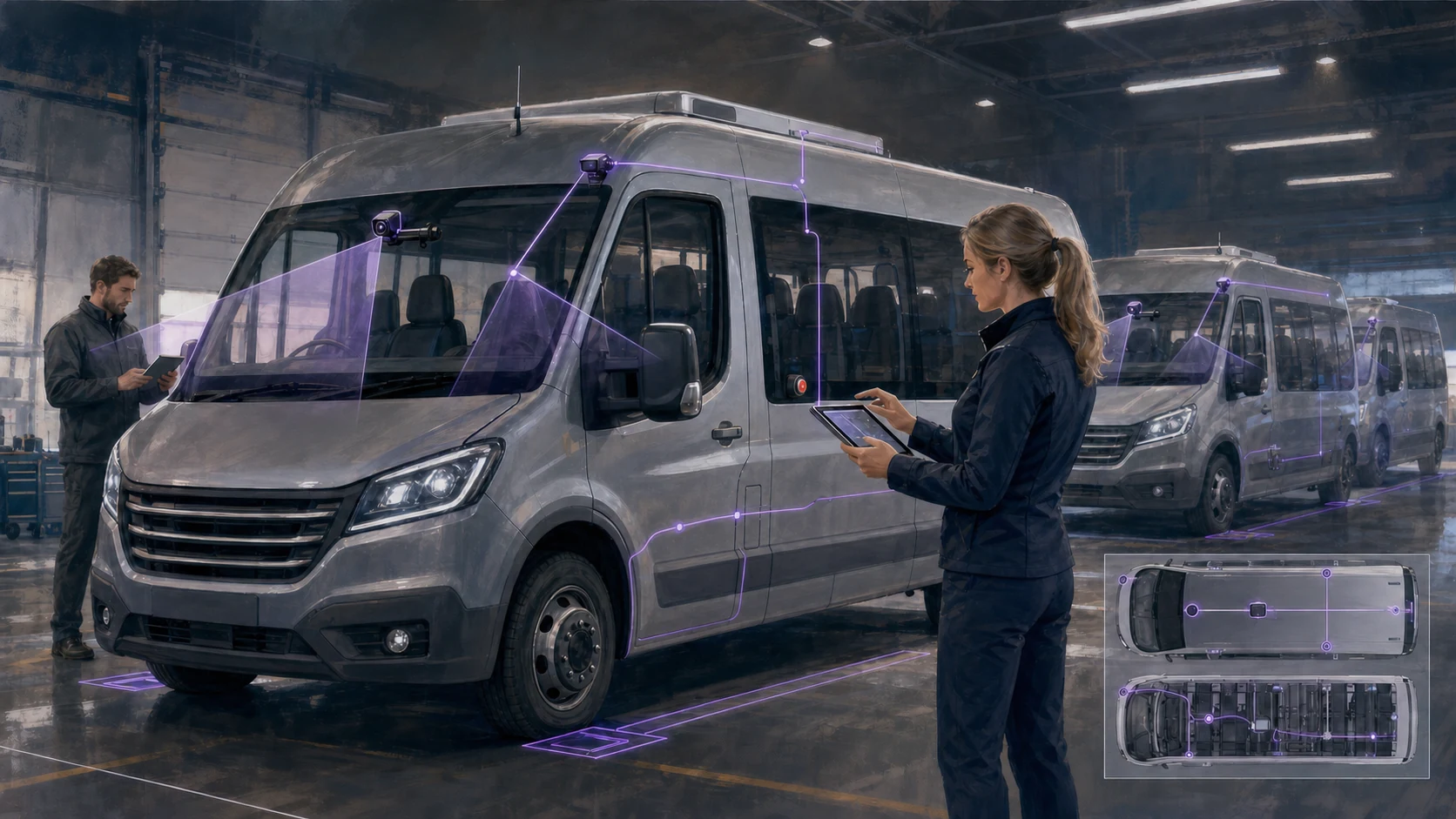
Electric bus conversion is an important step towards a more sustainable transport system. Anemon Engineering supports the sector through engineering, vehicle integration and type-approval services. We carry out projects in coordination with the Turkish Standards Institution (TSE), applying the relevant technical and safety requirements throughout the conversion and approval process.
Our experience in conversion projects and our technical expertise enable us to address the specific requirements of each vehicle and approval scope. We treat every project as an opportunity to combine technical progress with environmental responsibility. Our engineering services, project-specific solutions and customer support cover each stage of an electric bus conversion.
Our long-term objective is not only to deliver lower-emission transport solutions, but also to create lasting value for customers and society. Quality, safety and customer requirements therefore remain central to our electric bus conversion projects as we continue to develop practical and sustainable engineering solutions.
Contact and Project Support
Clear communication is essential for organisations considering an electric bus conversion or seeking to contribute to projects in this field. Interested parties can reach us through our contact channels to discuss the next steps.
Overview
Converting a bus to electric propulsion requires comprehensive engineering work covering mechanical and electrical modifications, vehicle safety and type approval. This article outlines the principal engineering and certification stages. The article also covers Electric Bus Conversion, Electric Bus Type-Approval Process and TSE and Electric Buses.